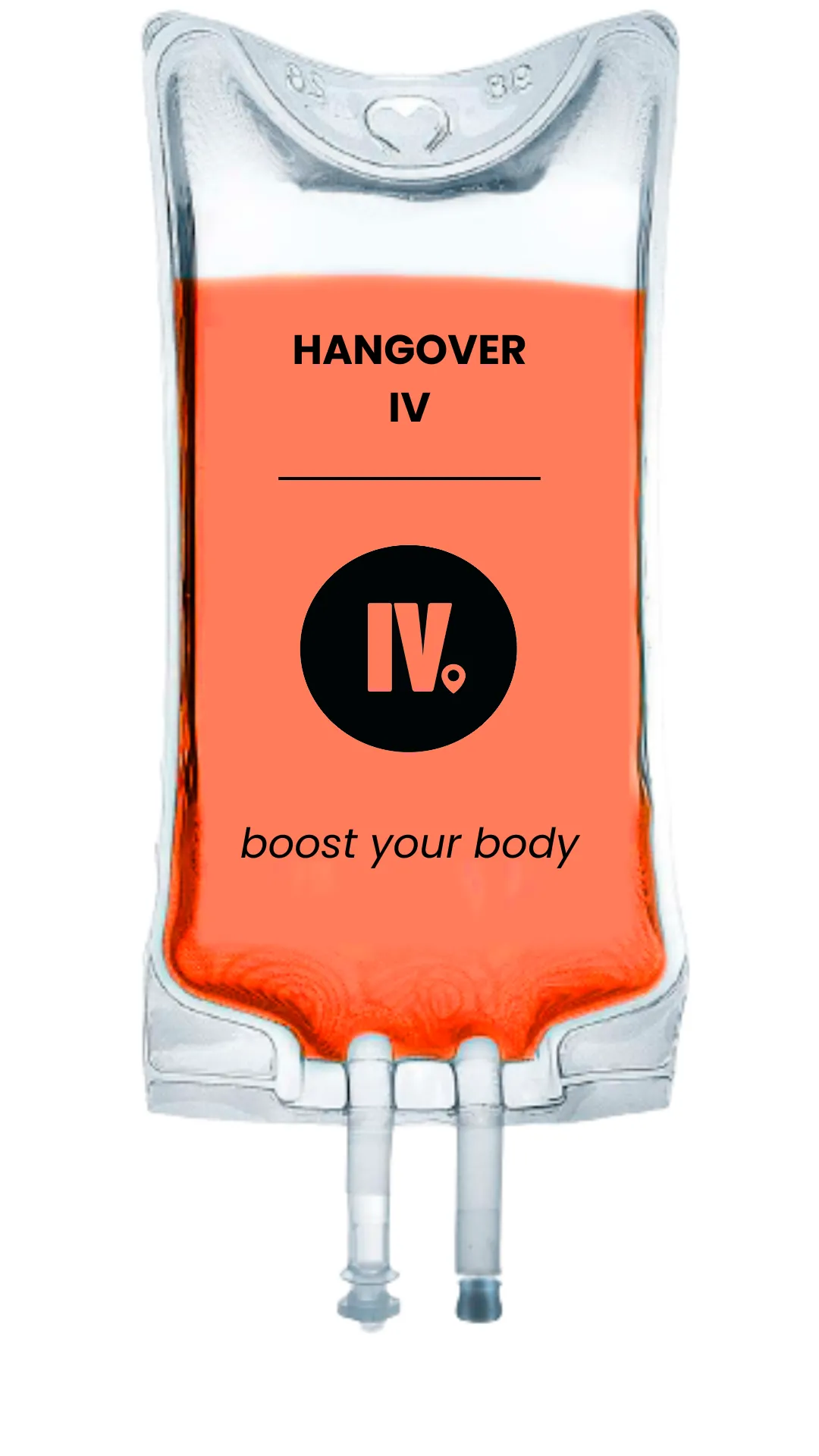
Hangover Recovery IV Therapy replaces the fluid and electrolytes lost after an evening of drinking and supports your body with B vitamins while it clears the alcohol on its own. It is administered at our clinic in Nişantaşı after a physician assessment and takes 30–60 minutes, supporting your recovery on several fronts at once — with one honest note up front: it eases the morning after, it does not undo the night before.
Why Do Hangovers Happen? Is Dehydration Really the Main Cause?
The answer is different from what you’ll read almost everywhere else.
For years, dehydration was assumed to be the core of the hangover — “you didn’t drink enough water, that’s why your head hurts.” Current research doesn’t support that view. A 2024 review found that water intake correlates with both thirst and hangover severity in a way that suggests dehydration and the hangover are two parallel consequences of drinking, not cause and effect.1
So what actually drives it? The evidence points to a multi-part picture:2
- An inflammatory response. Changes in cytokine levels after drinking track with symptom severity — much of the malaise and weakness likely comes from here.
- Acetaldehyde and metabolic by-products. The liver converts alcohol first into acetaldehyde, an intermediate more unpleasant than alcohol itself.
- Neurochemical rebound. As alcohol’s effect wears off, the nervous system rebalances — contributing to restlessness and poor sleep.
- Disrupted sleep architecture. Alcohol makes falling asleep easier but damages sleep quality; part of next-day fatigue is simply that.
- Stomach irritation and blood-sugar swings. These feed the nausea and shakiness.
Fluid and electrolyte loss is genuinely part of this picture — it just doesn’t explain it alone.
So where does an IV fit in? Because the picture is multi-part, a well-planned IV protocol supports recovery on more than one front: it corrects the fluid and electrolyte deficit directly and quickly, replenishes the B vitamins alcohol metabolism depletes, and — where nausea is prominent — can include physician-prescribed anti-nausea medication. The difference is felt most clearly when nausea stops you from drinking fluids. And to set the expectation honestly: it does not speed up alcohol clearance — it supports your body while it does that work, and makes the process easier to get through.
About the Formula
The base is a sterile saline solution with core electrolytes. To this, B vitamins — including thiamine (B1), which alcohol metabolism depletes3,4 — are added according to your assessment. Where the physician judges it appropriate, prescription anti-nausea medication can be included; that decision is made at the assessment, not on a menu.
Why aren’t doses listed here?
Contents and volume depend on your weight, what and how much you drank, your heart and kidney status, and your medications. That is decided at the assessment, not on a web page.
Potential Benefits
- Rapid replacement of the fluid and electrolyte deficit
- Relief of dehydration-linked headache and weakness
- A practical route for fluids when nausea makes drinking difficult
- Replenishment of B vitamins depleted by alcohol metabolism
These vary from person to person. The infusion supports your body while it does the real work of clearing the alcohol — nothing speeds that process up.
Who Might Consider This Supportive Treatment?
- Travelers who enjoyed Istanbul’s nightlife and woke up rough, with plans they don’t want to lose
- Anyone whose nausea is preventing them from rehydrating by mouth
- Visitors needing to be functional for a flight, a tour or a meeting later the same day
- Groups celebrating a special occasion who want a planned recovery session the next morning
Who Is It Not Suitable For?
- Anyone still intoxicated — we do not administer the infusion while alcohol intoxication is ongoing; the assessment decides
- Heart failure — intravenous fluid adds load to the heart
- Kidney failure or dialysis patients
- Uncontrolled high blood pressure
- Known advanced liver disease — assessed case by case
- Pregnancy and breastfeeding
- Known allergy to any component
At the assessment your conditions, medications and allergy history are reviewed in detail.
Possible Side Effects
- Temporary bruising or tenderness at the IV site
- A cool sensation in the arm during the infusion
- Vein irritation (phlebitis) — rare
- Allergic reaction — rare; the clinic is equipped to respond
You are monitored throughout the session.
When Should You Go to the ER Instead?
Some “morning after” pictures are not a hangover, and they are not a wellness clinic’s job:
- Confusion, inability to stay awake, or unresponsiveness
- Slow or irregular breathing
- Repeated vomiting for more than 24 hours, or vomiting blood
- Chest pain or palpitations
- A severe headache unlike any you’ve had before
These need a hospital emergency department. If you call us first, we will point you there — that is part of our job too.
References
- Mackus M, Stock AK, Garssen J, Scholey A, Verster JC. Alcohol hangover versus dehydration revisited: The effect of drinking water to prevent or alleviate the alcohol hangover. Alcohol, 2024. pubmed.ncbi.nlm.nih.gov/39069212
- Palmer E, Tyacke R, Sastre M, Lingford-Hughes A, Nutt D, Ward RJ. Alcohol Hangover: Underlying Biochemical, Inflammatory and Neurochemical Mechanisms. Alcohol and Alcoholism, 2019. pubmed.ncbi.nlm.nih.gov/30916313
- Glória L, Cravo M, Camilo ME, et al. Nutritional deficiencies in chronic alcoholics: relation to dietary intake and alcohol consumption. American Journal of Gastroenterology, 1997. pubmed.ncbi.nlm.nih.gov/9068475
- Dervaux A, Laqueille X. Thiamine (vitamin B1) and alcohol dependence. La Presse Médicale, 2017. pubmed.ncbi.nlm.nih.gov/27818067
Written and medically reviewed by: Ömer Fatih Şahin, MD Specialist in Anesthesiology & Reanimation — Last updated: 25.08.2026
The content on this page is for informational purposes only and is not a substitute for medical treatment. The treatment is administered to individuals found suitable at a pre-treatment assessment. If you have an existing condition or take medication, consult your physician.